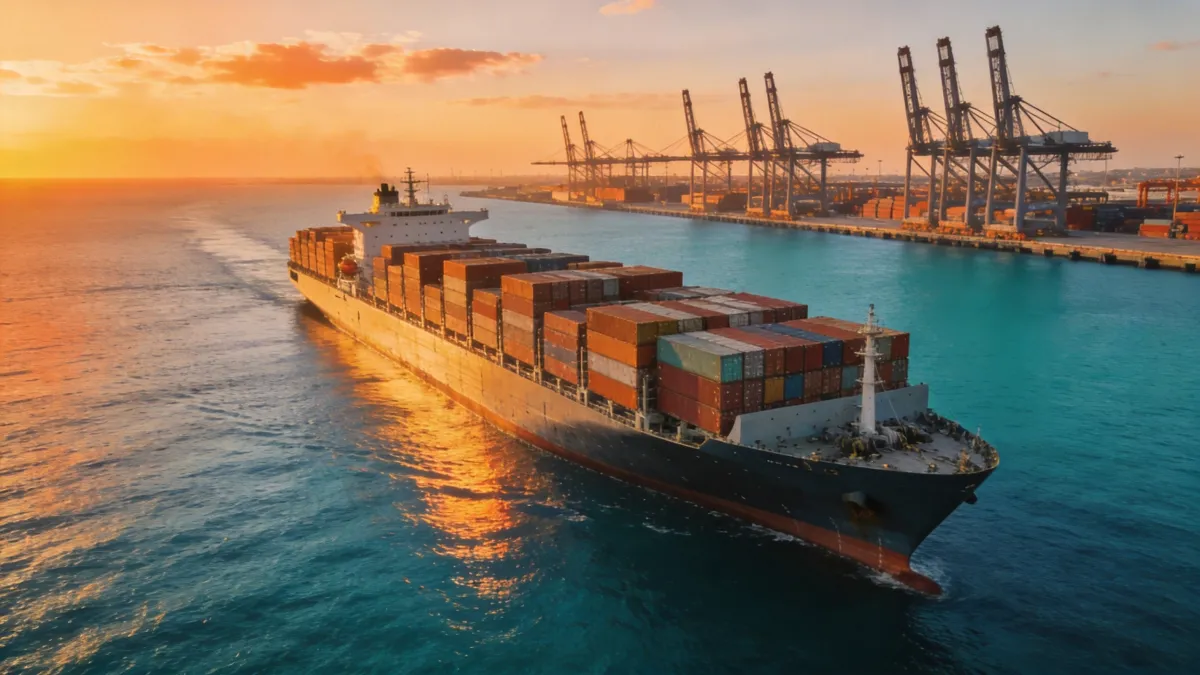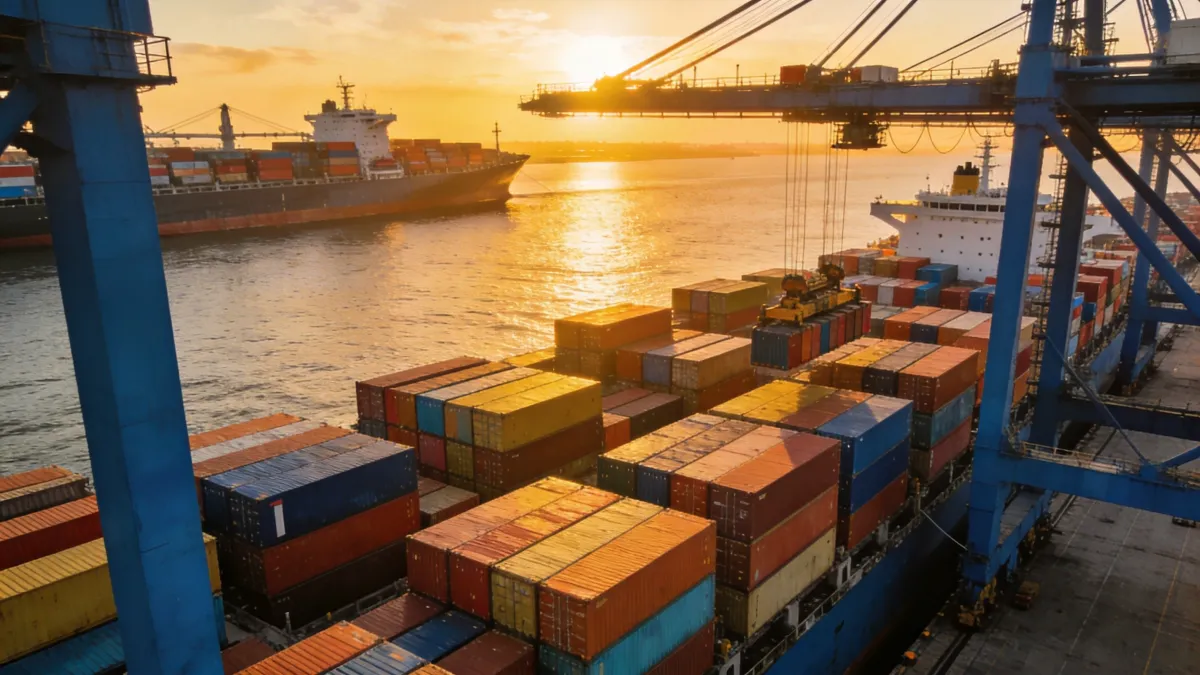
- A 40ft container from China to the Gulf surged 200% since January 2026, reaching $8,000 in September.
- Four layers of surcharges now stack on top of base freight: war risk, conflict surcharge, fuel, and peak season.
- Ports outside the Strait of Hormuz — Sohar and Salalah — save $200–$500 per container vs. Jebel Ali.
- Cargo insurance now requires a separate war-risk rider at 0.5%–1.5% of cargo value.
- A full cost comparison across all Gulf ports plus 7 actionable steps to cut your shipping bill by 15–20%.
Shipping a single container from Guangzhou to Jebel Ali is no longer a fixed-cost operation. Between January and September 2026, the average cost of a standard 40ft container from China to Gulf ports jumped from $2,700 to $8,000 — a 200% increase — according to data from Al Khaleej newspaper. The driver is not the base freight alone; four separate surcharge layers now sit on top of it.
If you import anything from China into any Gulf country, this guide gives you the complete picture: where rates stand today, why they are high, and exactly how to save hundreds of dollars on every shipment.
What Is Happening to China-to-Gulf Shipping Rates?
The Shanghai Containerized Freight Index (SCFI) stood at 3,662 points on September 30, 2026 — down a marginal 0.7% from the prior week but still at historically elevated levels. On the Persian Gulf lane specifically, the index recorded $6,489 per 20ft container (roughly $10,000–$12,000 per 40ft unit), per ShippingNewsNet.
The root cause remains the effective closure of the Strait of Hormuz since February 28, 2026. According to straits.live, daily commercial transits dropped from a pre-crisis average of 85 ships to as few as one. Most Gulf-bound cargo is now rerouted through alternative ports or longer sea passages.
How Much Does It Cost to Ship to Each Gulf Port Right Now?
Rates vary significantly between countries depending on proximity to the Strait and the availability of alternative routes. The table below shows 40ft container rates in September 2026 compared to early-year levels:
| Port / Destination | Jan 2026 Rate | Sep 2026 Rate | Increase |
|---|---|---|---|
| Jebel Ali (UAE) | $2,700 | $5,860–$8,200 | 200% |
| Shuwaikh (Kuwait) | $1,500–$2,800 | $6,900–$10,000 | 250–350% |
| Dammam / Jeddah (Saudi Arabia) | $2,100–$2,800 | $11,655–$14,245 | 350–400% |
| Doha / Bahrain | $2,000–$2,500 | $7,500–$11,000 | 250–340% |
| Umm Qasr (Iraq) | $2,000–$2,500 | $9,000–$12,000 | 350–380% |
| Sohar (Oman) | $2,200–$2,700 | $5,400–$7,700 | 145–185% |
Notably, ports outside the Strait of Hormuz — such as Sohar and Salalah — register rates 10–15% lower because they avoid the transit surcharges entirely. This is a difference worth planning around.
What Are the Four Surcharges Driving Up Container Costs?
The secret behind this surge is that base freight no longer represents the largest portion of the invoice. According to analysis by Sea Scope maritime consultants, a container bound for Jebel Ali now carries four simultaneous surcharge layers:
| Surcharge Type | Description | Approximate Cost |
|---|---|---|
| War Risk Surcharge | Charged on vessels transiting conflict zones | 3–10% of hull value |
| Conflict Surcharge (CS) | Imposed by lines like Maersk: $3,000 per 40ft container | $1,000–$3,000 per unit |
| Bunker Adjustment (BAF) | Due to marine fuel rising from $543 to $901/tonne | 15–25% of base freight |
| Peak Season Surcharge (PSS) | Added during seasonal peak periods | $500–$1,500 per unit |
In simple terms: a container of goods valued at $100,000 used to carry about $2,250 in combined shipping and insurance costs (2.25% of value). Today, that same container carries $7,700–$10,000 (8–10% of value), according to calculations by Sea Scope CEO Afaat Mostafa published in Khalegy.
Are There Cheaper Alternative Ports in the Gulf?
Yes. One of the most important discoveries during this crisis is that choosing the right arrival port can save hundreds of dollars. With the Strait effectively closed, major shipping lines have begun discharging cargo at alternative ports:
Sohar, Oman: The Lowest-Cost Option
Sohar sits just outside the Strait of Hormuz, giving it a price advantage of $200–$500 per container compared to Jebel Ali. Container costs to Sohar range between $5,400 and $7,700.
Salalah and Khor Fakkan: Transshipment Hubs
Salalah (Oman) and Khor Fakkan (UAE) have become major transshipment hubs. Cargo arrives by sea and is then moved by road to the final destination, adding 7–14 days but avoiding Strait transit surcharges.
Fujairah: The UAE Alternative Gateway
Abu Dhabi Ports Group redirected shipping operations to Fujairah and Khor Fakkan, adding 400 trucks and increasing Etihad Rail services to move goods inland.
How to Reduce Shipping Costs: 7 Practical Steps for Arab Importers
Based on analysis from shipping experts and recommendations from Sea Scope and Maltrans, here are steps that can save 15–20% on your shipment:
- Request the all-in price: Never compare shipping quotes based on base freight alone. Ask for a complete breakdown of every surcharge (war risk, fuel, conflict, peak season) to avoid surprises on the final invoice.
- Split cargo into smaller containers: If your shipment partially fills a 40ft container, shipping two 20ft containers via alternative routes may be cheaper than one large unit through the Strait.
- Choose an arrival port outside the Strait: If your destination is flexible, compare Jebel Ali vs. Sohar vs. Salalah. You could save $200–$500 per container.
- Book early: Reserve your shipments at least 2–3 weeks in advance. Available vessel capacity is currently only 60–70% of pre-crisis levels, and late bookings mean higher rates.
- Add 7–14 days to your supply timeline: Alternative routes are longer. Build in buffer time to avoid expensive air freight at the last minute.
- Purchase a separate war-risk insurance rider: The war-risk surcharge paid to the shipping line covers the vessel, not your cargo. You need a separate cargo insurance war-risk rider, costing 0.5–1.5% of shipment value.
- Negotiate 3-month contracts instead of 12-month: In the current volatile environment, shorter contracts let you benefit from any rate decreases.
Keerki Tip: From our daily dealings with shipping lines in Guangzhou, we advise not being misled by low initial quotes. Some lines offer a low base rate and then add war-risk and fuel surcharges later. Always request the all-in price to port with a written breakdown of every charge. In Keerki experience, importers who choose Sohar or Salalah as their first arrival port save an average of $300–$500 per container compared to Jebel Ali.
When Will Rates Come Down?
According to analysis by Hellenic Shipping News, quoting Xeneta chief analyst Peter Sand: the market has reached its post-Hormuz crisis peak in 2026. He expects rates to the US East Coast to settle between $6,000 and $7,000 per FEU for the rest of 2026.
But peak does not mean collapse. Rates will not return to pre-crisis levels (below $3,000 per container) unless the Strait reopens stably. Analysts consensus is that rates will remain elevated through at least Q1 2027. Adding to this, Asian port congestion could take up to 10 months to fully unwind, according to Sea-Intelligence.
What Impact Does This Have on Consumer Prices in Gulf Markets?
The impact varies by sector. According to Sea Scope data, rebar prices in the UAE rose 40% (from AED 2,150 to AED 3,000 per tonne), and reinforced concrete jumped 46%. Food prices are temporarily shielded by strategic reserves, but face cumulative pressure — especially since the UAE imports 85–90% of its food needs.
Analysts note that heavy, low-value goods (like building materials) are hit hardest because shipping costs approach half the cargo value. High-value goods (like electronics) face proportionally less impact.
Frequently Asked Questions
Will shipping rates from China to the Gulf drop soon?
Analysts expect rates peaked in September 2026, but they will not return to pre-crisis levels (below $3,000 per container) unless the Strait of Hormuz reopens stably. Forecasted rates for Q4 2026 range between $5,000 and $8,000 depending on the port.
What is the cheapest Gulf port for shipping from China right now?
Sohar in Oman is currently the lowest-cost option. It sits outside the Strait of Hormuz, and a 40ft container costs between $5,400 and $7,700 — that is 10–15% less than Jebel Ali.
Does the war-risk surcharge I pay insure my cargo?
No. The war-risk surcharge charged by the shipping line only covers the vessel itself. To insure your goods, you need a separate war-risk rider on your cargo insurance policy, costing 0.5–1.5% of shipment value.
Why do shipping rates differ so much between Gulf ports?
The main reason is proximity to the Strait of Hormuz. Ports directly on the Gulf (Jebel Ali, Shuwaikh, Umm Qasr) bear additional transit surcharges, while ports on the Gulf of Oman or Arabian Sea (Sohar, Salalah) avoid these fees.
How do I calculate the true total cost of my shipment?
Ask your freight forwarder for the all-in price covering: base freight plus war risk surcharge plus fuel surcharge plus conflict surcharge plus peak season surcharge plus cargo insurance. Then add customs duty (5%) and VAT. This is the real cost to compare against your profit margin.
Is it better to ship goods by air instead of sea right now?
Generally no. Air freight costs 5–10 times more than sea freight and is only suitable for urgent or very high-value goods. For Arab importers, the best option is optimizing the sea route by choosing alternative ports and negotiating shorter-term contracts.
Conclusion
China-to-Gulf shipping costs in October 2026 are the highest in years, but they are not a surprise — they are the direct result of the Strait of Hormuz closure and the stacking of four surcharge layers. The key to protecting your margin is understanding the true cost, choosing the right route and port, and negotiating flexible terms.
Keerki Limited is a China-based sourcing and commercial representation company headquartered in Guangzhou, helping businesses in the Gulf and the Arab world import from China safely for over 10 years. Our Arabic, Chinese, and English-speaking team works daily with shipping lines and suppliers in Guangzhou to secure the best rates and fastest routes. We offer supplier verification, quality inspection, cargo consolidation, and full shipping and customs clearance management.
Request a free consultation today at https://keerki.com/request/ or contact us on WhatsApp: +86 133 9212 7362.