- The UAE is China's largest export market in the Middle East; bilateral non-oil trade reached US$111.5 billion in 2025, up 24.5%, according to Emirates News Agency (WAM).
- UAE customs duty ranges from 0% to 5% of CIF value for most goods, with 5% VAT added when goods enter the mainland market.
- Regulated products (electrical appliances, building materials, auto parts, toys and more) need an ECAS or EQM certificate from the Ministry of Industry and Advanced Technology before they can be sold or cleared.
- Sea freight from major Chinese ports to Jebel Ali typically takes 18–25 days, air freight 3–7 days, and Drewry's World Container Index read US$4,429 per 40ft container at the end of October 2026.
- Free zones such as JAFZA allow duty-free re-export to the wider Gulf and Africa — a structural advantage when you plan the routing before shipping.
When traders ask me where to start importing Chinese goods into the Gulf, my answer is usually: start by understanding the UAE. Its rules are the clearest and its infrastructure the deepest — Jebel Ali alone handled around 15.5 million TEU in 2025, keeping it among the world's ten busiest container ports. From Guangzhou, here is what an Arab importer needs in 2026 to land a first container from China in the UAE: ports, customs, conformity certificates and costs.
Why is the UAE the primary gateway for Chinese goods into the region?
Because the numbers say so. China is the UAE's largest trading partner with roughly 11% of its non-oil trade, while the UAE is China's largest export market in the Middle East. According to China's Ministry of Foreign Affairs, bilateral trade reached about US$108 billion in 2025, including US$72.88 billion of Chinese exports to the UAE.
Momentum is strong. Emirates News Agency (WAM) confirmed non-oil trade crossed US$111.5 billion in 2025, growing 24.5% and passing US$100 billion for the first time. On the ground: more than 6,650 Chinese companies were registered with Dubai Chambers by end-September 2026, China Daily reported, and over 1,000 operate in DMCC alone.
Most importantly, the UAE ranks third worldwide in re-exports, per the official government portal — landing cargo there opens the Gulf, East Africa and South Asia from a single platform.
Which ports and airports will receive your shipment from China?
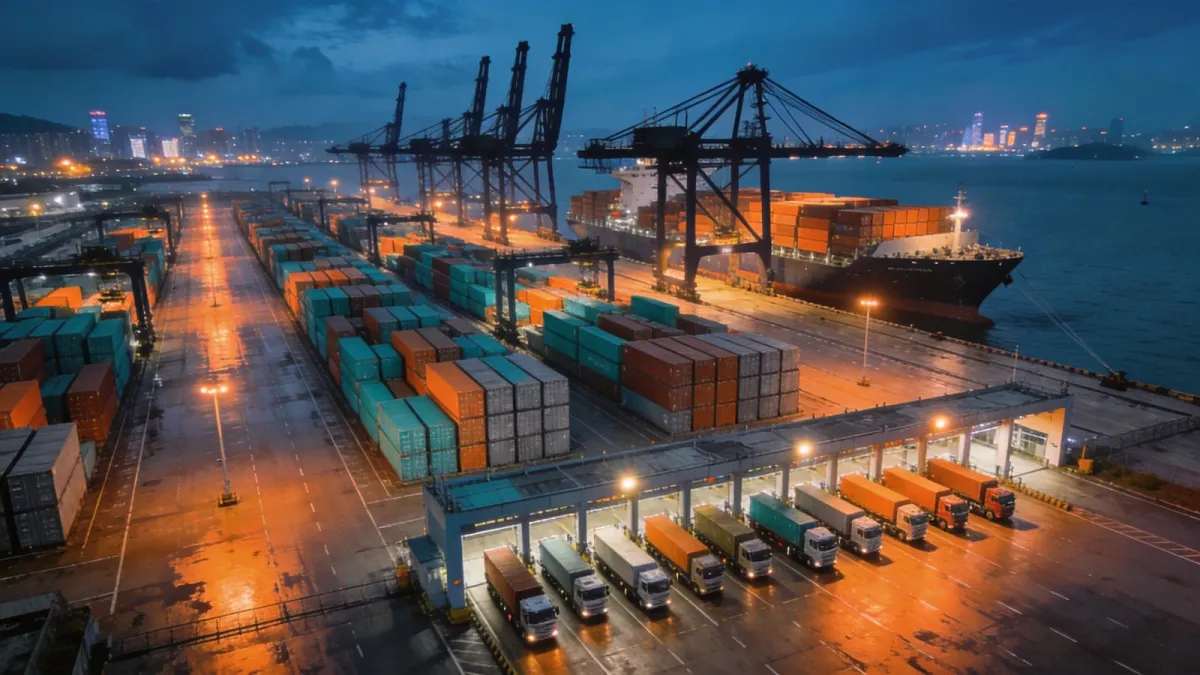
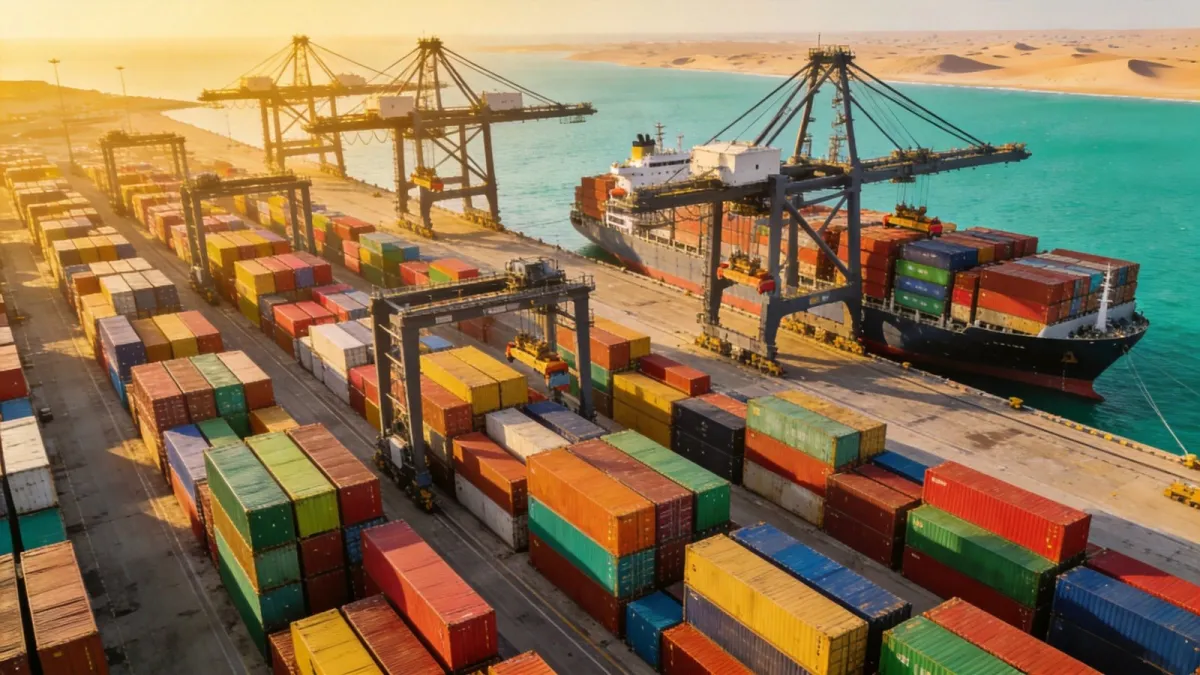
Most Chinese sea freight bound for the UAE enters through Jebel Ali Port in Dubai, the largest container port in the Middle East, operated by DP World, which reported record 2025 results with 93.4 million TEU of gross group throughput. Alongside it work Khalifa Port in Abu Dhabi, Khorfakkan and Fujairah on the east coast, and Port Rashid for general cargo.
On the China side, major carriers link Shanghai, Ningbo, Nansha (Guangzhou) and Shenzhen to Jebel Ali with direct loops — CMA CGM's published CIMEX services, for example, connect Shanghai, Ningbo and Nansha directly with Jebel Ali, Abu Dhabi and Dammam. By air, Dubai International and Al Maktoum receive cargo from Guangzhou, Shanghai, Shenzhen and Hong Kong.
| Gateway | Mode | Best for | Practical note |
|---|---|---|---|
| Jebel Ali (Dubai) | Sea | FCL and LCL containers | Deepest services, directly tied to JAFZA free zone |
| Khalifa Port (Abu Dhabi) | Sea | Abu Dhabi projects and industrial cargo | Less congestion in peak seasons |
| Fujairah / Khorfakkan | Sea | Eastbound re-export flows | Outside the Strait of Hormuz, handy for Indian Ocean loops |
| Dubai Intl / Al Maktoum | Air | Samples and high-value goods | Clearance within days |
How much are customs duties and taxes when importing into the UAE?
The base rule is simple: the UAE applies a tariff between 0% and 5% on most goods, and Dubai Customs levies 5% of CIF value (cost + insurance + freight), according to the official UAE government portal. Known exceptions: alcoholic beverages at 50% and tobacco at 100%, while many essential goods are exempt or zero-rated depending on their HS code.
On top of duty comes 5% VAT on mainland imports, calculated on the customs value plus duty. A worked example: a housewares shipment with a CIF value of AED 100,000 pays AED 5,000 duty, then 5% VAT on AED 105,000 — AED 5,250 — for total charges of about AED 10,250 before handling fees.
One point many first-time importers miss: cargo that enters a free zone such as JAFZA and is re-exported pays no local duty; duty falls due only when goods enter the mainland. Choosing between the two routes is a decision to make before the vessel sails, not after it berths.
Does your product need an ECAS or EQM conformity certificate before arrival?
Yes, if it is a regulated product. The Ministry of Industry and Advanced Technology (MOIAT) applies the Emirates Conformity Assessment Scheme (ECAS) to a wide range of categories — electrical and electronic equipment, building materials, auto parts and accessories, toys and children's products, selected textiles, cosmetics and detergents — and these products cannot legally enter or clear the market without a valid certificate, per the ministry's official service page.
The difference matters for planning: ECAS is mandatory for regulated products and valid for one year, while the EQM (Emirates Quality Mark) stays valid for three years, as documented by China's Ministry of Commerce technical trade measures platform. Applications run through the ministry's digital platform with an accredited laboratory test report and the importer's valid trade licence.
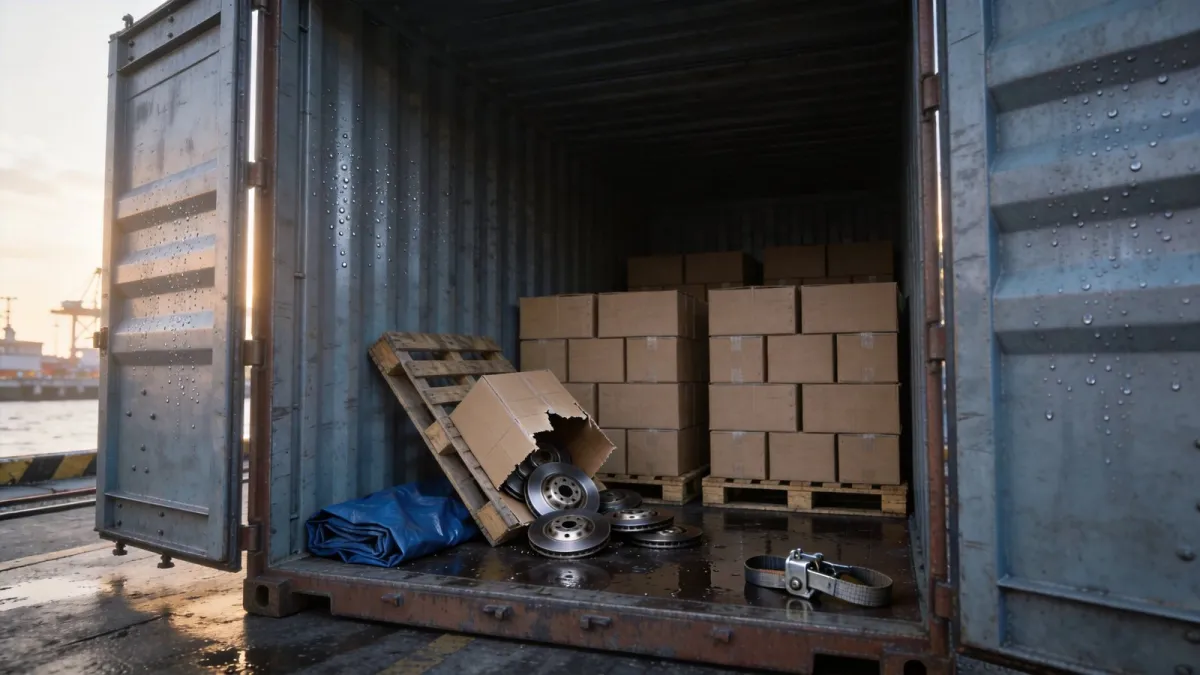
From Guangzhou, we see the costliest mistake here repeatedly: a factory ships before the importer opens the conformity file, and the container then sits at Jebel Ali accumulating storage. The golden rule we apply at Keerki (Keerki Limited): no ocean booking before the certificate status is confirmed, because the test report alone can take weeks if the factory is not prepared.
How long does shipping from China to the UAE take, and what does it cost?
By sea, the leg from China's main ports to Jebel Ali typically takes 18–25 days for a full container; LCL adds days for consolidation and deconsolidation. By air, the typical window is 3–7 days from major Chinese airports to Dubai, per updated 2026 freight guides covering the lane.
As for cost, Drewry's World Container Index read US$4,429 per 40ft container on 29 October 2026, down 3% week on week, with carriers expected to blank 8% of scheduled sailings between weeks 45 and 49; the Shanghai Containerized Freight Index held near 3,687 points, Container News reported. China–Gulf spot levels usually sit below the global average but follow its direction — request fresh quotations before every shipment rather than reusing last month's number.
| Shipping method | Typical transit | When to choose it | Cost note |
|---|---|---|---|
| Sea FCL (full container) | 18–25 days | Shipments of ~15 CBM and above | Cheapest per kilo; lock the rate before departure |
| Sea LCL (consolidation) | 22–32 days | Commercial samples or small lots | Add origin and destination CFS charges |
| Air freight | 3–7 days | High-value or urgent seasonal goods | Several times pricier; charged by volumetric weight |
| Express courier | 4–8 days | Samples, documents, small parcels | Workable up to roughly 100 kg |
Practical steps to land your first container from China in the UAE
The right sequence saves at least two weeks and protects your margin. This is the order we follow with clients:
- Fix the HS code precisely before negotiating the final price, because it sets the duty rate and tells you whether the product is regulated and needs ECAS.
- Secure a trade licence and a customs importer code for your UAE entity (or via a free zone) — no clearance happens without an importer code tied to a valid licence.
- Verify the factory in China: business registration, a real production line, export experience and Gulf references; you can start from the Keerki supplier directory and then commission on-the-ground verification.
- Request a test report and open the conformity file with MOIAT if the product is regulated — before confirming the sailing date.
- Agree delivery terms clearly (FOB or CIF) in the contract and invoice, fixing who carries insurance and delay-related storage costs.
- Prepare the six documents: commercial invoice, packing list, certificate of origin, bill of lading, delivery order, and the customs declaration filed online through the local customs portal.
- Inspect the goods before shipment at the factory or consolidation warehouse, then book the freight and track the container so it clears within days of arrival.
A tip from Keerki: what slows first-time UAE importers most is rarely customs itself — it is the conformity file: a factory without an acceptable test report, or photos and data submitted outside the platform's specifications. From our Guangzhou office we prepare the test file with the accredited laboratory in parallel with cargo consolidation, so the shipment arrives ready to clear on the first submission — typically saving one to two weeks.
Frequently Asked Questions
What is the customs duty rate in the UAE on Chinese goods?
The standard rate is 5% of CIF value for most commercial goods, within a government tariff band of 0–5% depending on the HS code, with exceptions such as tobacco (100%) and alcoholic beverages (50%). A further 5% VAT applies when goods enter the mainland market.
Do I need a company in the UAE to import from China?
Yes, for regular commercial importing: you need a trade licence whose activity covers your goods and a customs importer code linked to it. Beginners can alternatively import through an established company or a free zone offering Importer of Record services while testing the market with small volumes.
What is the difference between ECAS and EQM certificates in the UAE?
ECAS is a mandatory conformity certificate for regulated products (electricals, building materials, auto parts, toys and more), valid for one year, while EQM is a quality mark for products meeting UAE standards, valid for three years. Both are issued through the Ministry of Industry and Advanced Technology's platform based on accredited laboratory testing.
How long does sea freight from China to Dubai take?
A full container from major Chinese ports to Jebel Ali usually takes 18 to 25 days at sea, depending on the loading port and carrier loop, while LCL shipments take longer due to consolidation and deconsolidation. Add three to seven days for clearance and inland delivery in your planning.
Can I re-export from the UAE to Saudi Arabia and the Gulf without double duties?
Yes — this is the strength of the UAE model. Goods stored in free zones such as JAFZA never enter the local market and pay no UAE duty; when re-exported to another GCC state, duties are settled at the first point of entry under GCC customs union rules. The UAE ranks third globally in re-exports for precisely this reason.
What is the most common mistake new importers make from China to the UAE?
Shipping before the conformity file is complete. Every month we see containers held at the port because the factory had no acceptable test report, or the trader discovered after sailing that the product was regulated. The fix: verify classification and certificates before paying the factory's final balance.
Conclusion: the UAE rewards importers who follow the right order
China exports US$72.88 billion a year to the UAE because the rules are clear and the infrastructure is world-class: 5% duty on most goods, free zones built for re-export, and ports that compete with the biggest on the planet. Importers who respect the sequence — precise classification, early conformity, pre-shipment inspection and complete documents — turn these advantages into real margin instead of demurrage bills.
Keerki Limited is a China-based sourcing and commercial representation company headquartered in Guangzhou, helping businesses in the Gulf and the Arab world import from China safely for over 10 years, with a team that speaks Arabic, Chinese and English and hands-on expertise in factory verification, pre-shipment inspection, conformity files and customs clearance. Planning your first UAE shipment, or reviewing your supply chain? Reach us via the request form or WhatsApp +86 133 9212 7362 — and browse our services and the China city guide while planning your visit.