Key Takeaways:
- Chinese car brands sold 82,000+ units across the GCC in H1 2026 at 19% market share, with BYD growing 277% in Saudi Arabia alone.
- Spare parts availability reaches 95%+ same-day for BYD, MG, and Haval via Dubai/Jebel Ali warehouses, and 85-90% for Chery and Changan.
- Direct sourcing from Chinese factories saves 30-50% on consumable parts compared to local dealer pricing.
- OMODA/Chery just opened a 6,000 sqm spare parts warehouse in Saudi Arabia, signaling major aftermarket investment.
As Chinese vehicles multiply on Gulf roads, workshop owners and importers face a practical challenge: where to find quality spare parts at reasonable prices? The first months of 2026 have seen a qualitative leap in aftermarket infrastructure — from new warehouses to direct supply lines. This guide provides a practical roadmap for any Arab importer looking to source Chinese car spare parts directly from the source.
How Fast Are Chinese Car Brands Growing in the Gulf?
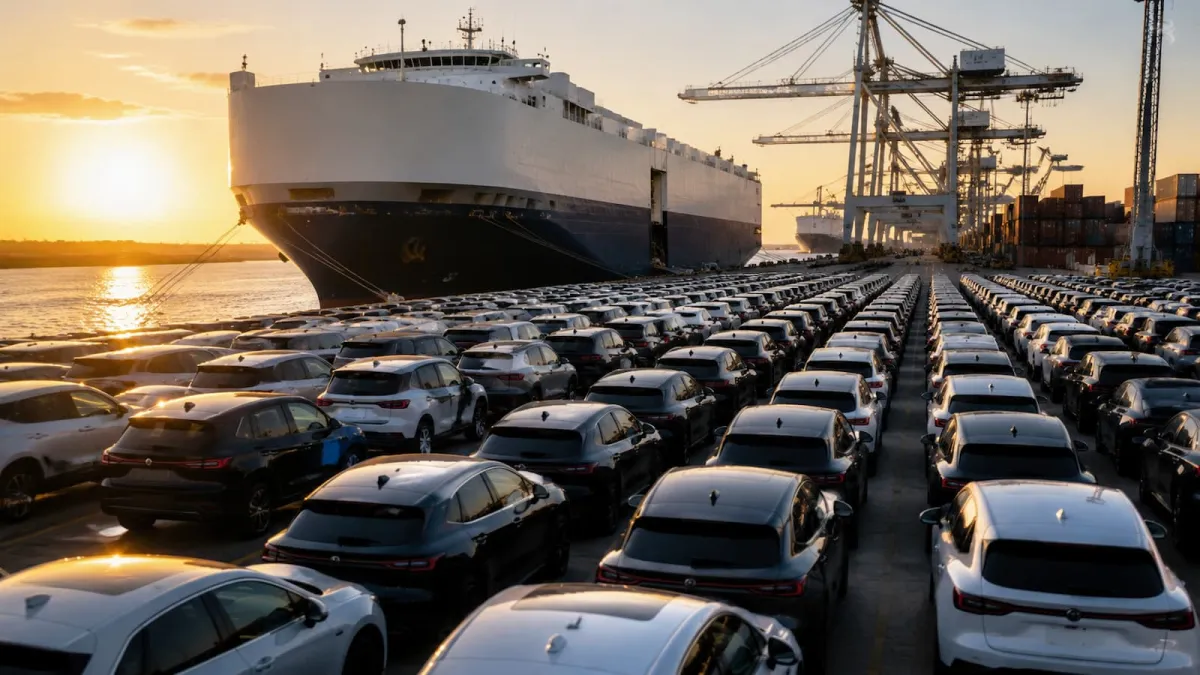
Chinese car sales across GCC countries reached 82,000+ units in the first half of 2026, with double-digit growth in every member state (Source: Cartea). The UAE leads with 22% Chinese market share, followed by Saudi Arabia at 18% and Kuwait at 16%.
| Brand | H1 2026 Sales | YoY Growth | Top Model |
|---|---|---|---|
| GWM/Haval | 11,017 units | +35.28% | Haval H6 |
| Jetour | 10,183 units | +23.22% | Jetour T2 |
| Changan | 9,182 units | — | CS75 Plus |
| MG | 7,511 units | — | MG ZS |
| BYD | 4,769 units | +277% | Atto 3 |
The numbers are clear: every major Chinese brand is selling thousands of cars monthly in the Gulf, creating sustained and growing demand for spare parts — especially consumables like filters, brake pads, and belts.
How Available Are Chinese Car Spare Parts in the Gulf Today?
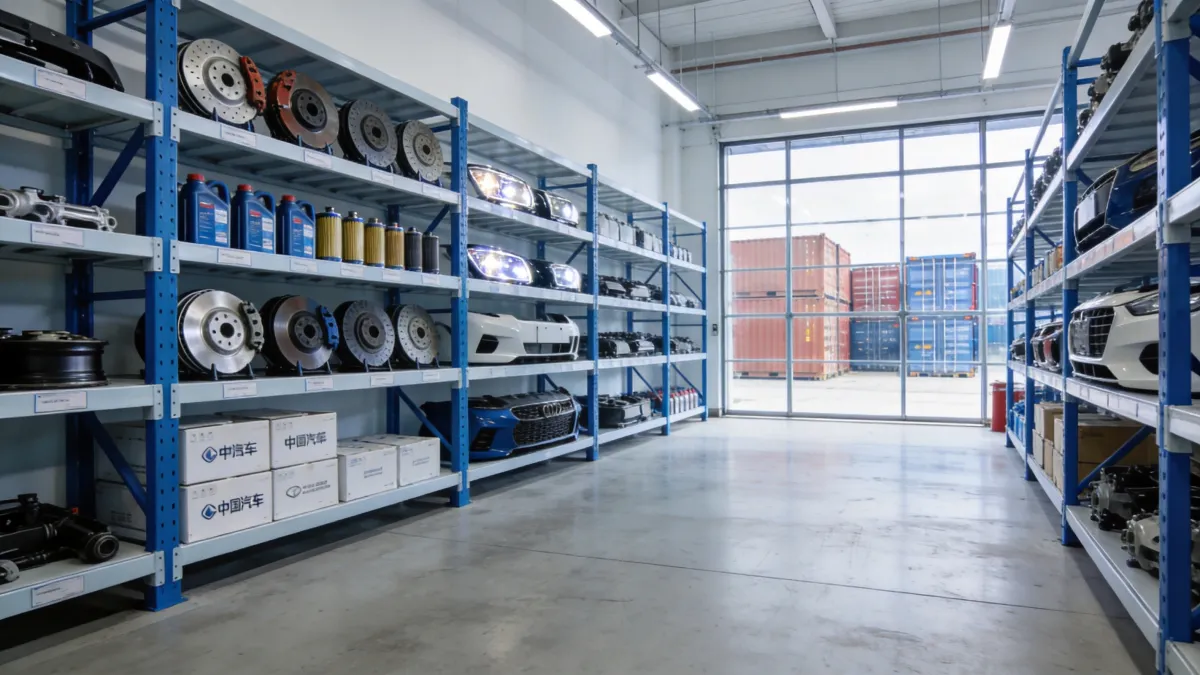
Parts availability has improved dramatically in 2026. Brands like BYD, MG, and Haval maintain central warehouses at Jebel Ali in Dubai with over 95% same-day availability. Chery opened a new 6,000 sqm spare parts warehouse in Saudi Arabia (Source: Saudi Press).
| Brand | Same-Day Availability | Wait Time (Special Parts) | Service Centers (UAE) |
|---|---|---|---|
| BYD | 95%+ | 3-5 days | 7 centers |
| MG | 95%+ | 2-3 days | 9 centers |
| Haval/GWM | 95%+ | 2-3 days | 8 centers |
| Chery | 85-90% | 5-7 days | 4 centers |
| Changan | 85-90% | 3-5 days | 6 centers |
| Geely | 80-85% | 5-7 days | 5 centers |
The gap between brands is clear: BYD, MG, and Haval have reached aftermarket maturity, while newer brands like Jetour and Jaecoo are still building their networks. But the overall trend is strongly positive.
Is Direct Import From China Cheaper Than Buying Locally?
Yes — by a significant margin. Direct sourcing from factories in Guangzhou and Chongqing saves 30-50% on consumable parts (filters, brake pads, wipers, belts) compared to dealer prices. The biggest savings come with volume: ordering 500 oil filters from the factory costs about $1-3 per unit versus $8-15 from a local dealer.
However, direct import carries additional costs: ocean freight (approximately $800-1,500 per small container from Guangzhou to Jebel Ali), customs duties (5% in most GCC countries), and transit time (15-25 days by sea). Therefore, direct import becomes economical when ordering quantities sufficient for 3-6 months of supply.
How Should a Gulf Importer Source Parts From China Step by Step?
- Define your parts list: Start with the most demanded consumables — oil filters, air filters, brake pads, wiper blades, drive belts. These are easiest to source and fastest to turn over.
- Find the right supplier: Use platforms like the Canton Fair online directory or verified supplier guides (Keerki's auto parts supplier directory) to find factories specialized in your specific brand.
- Verify compliance: Request IATF 16949 quality certificates and matching OEM part numbers. Certified factories provide samples before bulk orders.
- Request samples for testing: Before any large order, request 5-10 pieces as samples and test them in your workshop. Verify dimensions, quality, and packaging.
- Calculate total landed cost: Part price + shipping + customs + local storage. Compare with dealer pricing. Rule of thumb: if savings exceed 25% after all costs, direct import is worthwhile.
- Place a trial order: Start with a small order covering one month, then gradually increase volume after confirming supplier quality and shipment consistency.
Which Parts Should You Avoid Importing Directly?
Not all spare parts suit direct import. Complex electronic components (engine sensors, ECU control units, navigation screens) require precise software matching and may not work across all models. Similarly, exterior body panels (doors, hoods, bumpers) need full container shipments due to volume — not economical for small quantities.
The practical rule: start with mechanical consumables (brake pads, filters, belts, wipers) — these carry the lowest risk and highest demand turnover.
How Do You Ensure Quality of Imported Chinese Spare Parts?
Quality varies between factories. Plants certified under IATF 16949 (the global automotive quality standard) maintain quality levels approximately matching OEM specifications. Avoid suppliers who cannot provide this certificate or matching OEM numbers.
According to Keerki's experience in Guangzhou working with auto parts suppliers, the best approach is requesting pre-shipment quality inspection from an accredited third party. Inspection costs around $200-300 per shipment, but prevents far larger losses from receiving defective parts.
💡 Keerki's Tip: Don't wait until stock runs out. Order consumable parts (filters, brake pads) in quantities covering at least 3 months. Chinese factories close during Chinese New Year (January-February) and National Day (October), causing delays of 4-6 weeks. Plan ahead to avoid supply gaps.
How Will China's Export Tax Rebate Cut Affect Parts Pricing?
On October 12, 2026, China announced a cut in the VAT export rebate rate for new energy vehicles from 13% to 9%, effective April 2027 (Source: Xinhua). This means EV prices may rise 2-4% — which also affects their spare parts (batteries, motors, charging systems).
However, the impact on conventional vehicle parts (petrol and diesel) will be limited, as most are manufactured in factories independent of NEV incentives. The smart importer uses the current window (October 2026 – March 2027) to stock parts at pre-change prices.
Frequently Asked Questions
Are Chinese car spare parts safe and compliant with standards?
Yes, factories certified under IATF 16949 follow the same quality standards applied to Japanese and Korean vehicles. The key is verifying the certificate and requesting matching OEM numbers before ordering.
How long does shipping spare parts from China to the Gulf take?
Ocean freight from Guangzhou to Jebel Ali takes 15-20 days, and to Jeddah 18-22 days. Air freight is faster (3-5 days) but costs 300-400% more. Small, light parts suit air shipping; large volumes should go by sea.
What are the cheapest spare parts to import from China?
Filters (oil, air, fuel), brake pads, and wiper blades are the cheapest and most economical — unit prices start at $1-3 in bulk quantities, with excellent resale margins.
Can I get genuine OEM parts directly from China?
Yes, many Chinese factories are the original OEM manufacturers for brands like BYD and Chery. However, they cannot sell parts bearing the brand name due to exclusivity contracts. Available parts match specifications exactly but come without brand logos.
How do I find a reliable Chinese spare parts factory?
Start with verified supplier directories like Keerki's supplier directory covering 35,000+ manufacturers. Verify: IATF 16949 certification, years of experience (3+), customer ratings, and ability to provide samples before bulk orders.
What is the difference between OEM and Chinese aftermarket parts?
OEM parts are made by the same factory to identical specifications. Aftermarket parts are alternatives with similar specs from different factories — quality ranges from excellent to poor depending on the manufacturer. Rule: aftermarket from an IATF-certified factory = safe.
Conclusion
The Chinese car spare parts market in the Gulf is undergoing a historic transition. With over 82,000 Chinese vehicles sold in H1 2026 alone, parts availability is no longer a luxury — it's a business necessity. Major brands (BYD, MG, Haval) have reached aftermarket maturity, and others are following quickly.
For the Arab importer, the real opportunity today lies in direct factory sourcing of consumable parts — saving 30-50% compared to traditional channels. The keys are verifying suppliers, inspecting quality before shipment, and planning inventory ahead.
Keerki Limited is a China-based sourcing and commercial representation company headquartered in Guangzhou, helping businesses in the Gulf and the Arab world import from China safely for over 10 years. With an Arabic, Chinese, and English-speaking team and a database of over 50,000 suppliers, Keerki provides supplier verification, factory negotiation, and pre-shipment quality inspection — everything an importer needs to secure spare parts at the best price and highest quality.
📞 Contact us: https://keerki.com/request/ — WhatsApp: +86 133 9212 7362